
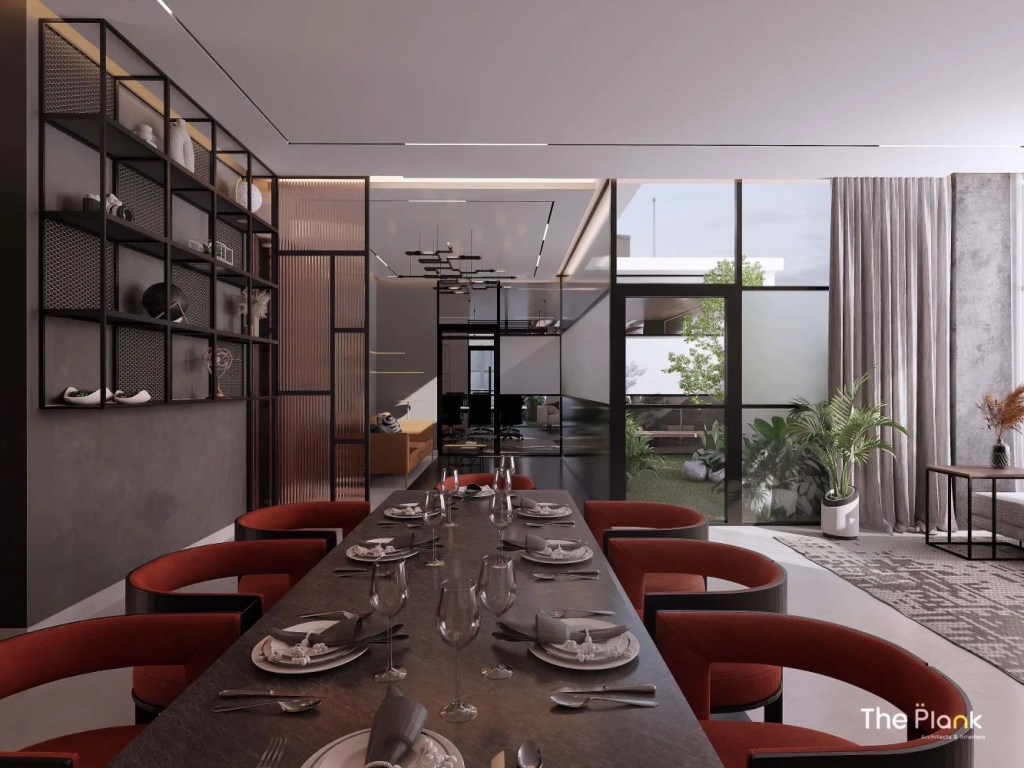
The rise of modern house interior design came as a result of technological advancements post World War II. This school of design is innovative, minimalistic, experimental and does not take into account the sentimental aspect. Practicality and functionality are the core features of this style. The introduction of modern house interiors changed the way we build our cities and workplaces today bringing a sense of progress in science, health, and social equality. Today we see a glimpse of modern architecture almost everywhere around which usually takes the form of bridges, highways and even schools.
But what exactly is modern architectural and interior designs?
What is Modern architecture?
The idea of modern interiors and architecture came at the time when machines began replacing human labour and craftsmanship. It was designed keeping in mind the human experience at the core. For example one striking feature of modern house interiors is the usage of abundance of natural light and open floor plans. It was often seen in the 1970s and it involved the presence of sharp and clean lines.
It was birthed with the idea that form should follow function. As mentioned earlier, practicality and functionality was given more importance than aesthetics. This school of design also placed emphasis on experimentation which also meant that there is a rejection of predetermined rules. Going by the modernism movement in art, the modern interiors also reflected ideals such as freedom of expression which was primarily seen in art, literature, and music.
The time when modern design took the centre stage, it was the boom of industries and population. And modern interiors were designed to solve this urban problem.
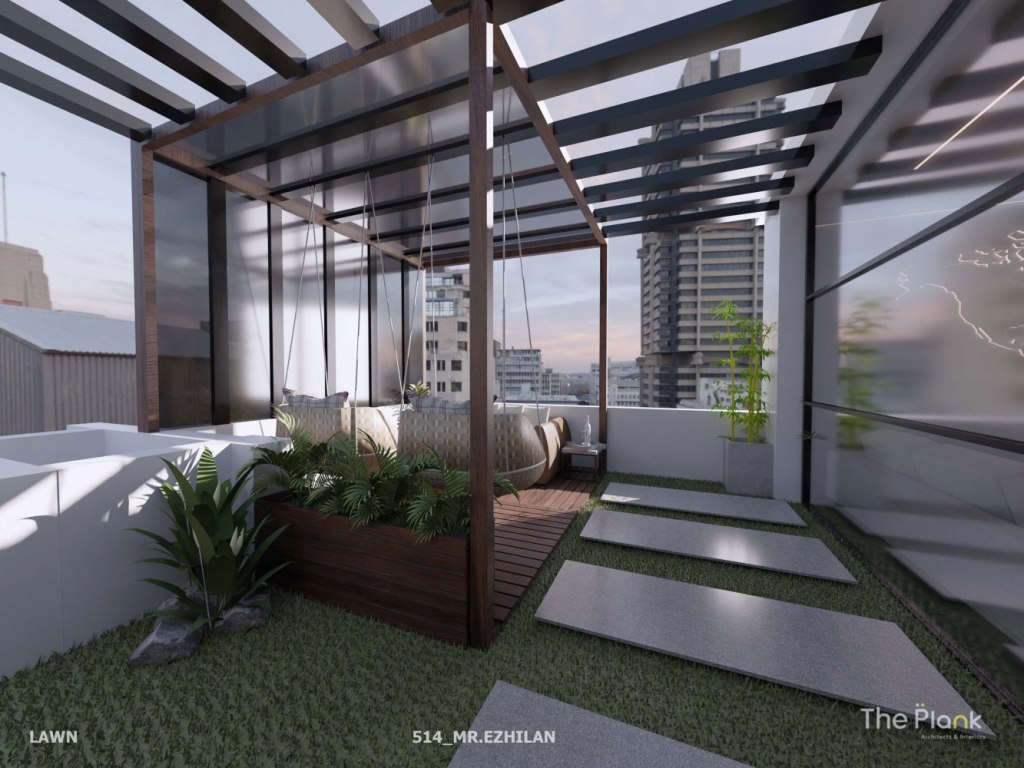
History of Modern Architecture
By the end of the 19th century, architects began challenging the traditional styles of art that took the spotlight till then such as Beauk Art and Neoclassical styles. The modern movement spanned a little over 60 years so there is no one exact point where we can say that this style took over.
In the West, especially America Louis Sullivan also called the “Father of Modernism” designed the buildings for the 1980 Chicago World Fair which can be roughly considered as the seed behind the whole idea of modern house interior.
His mentee Frank Lolyd Wright then worked on houses adorned with textured blocks of cement called the “Mayan Style.” And it was this reason for which he became a prominent modern architect. He defined modern architecture with his timeless designs which include the Falling water house and the Schindler House.
While Frank Wright was shaping modernism in architecture, in Europe Auguste Perrert and Henry Savage further reinforced concrete in the apartment buildings. Just like Wright, he also experimented on materials and techniques.
Constructively we can say that modern architecture has slowed down by the end of the 20th century but its designs still influence the buildings well into the 20th century and even today.
Modernistc Architecture Features
- Flat pitched roofs – Modern house interior design typical feature is its emphasis on simplicity. It consciously rejects the ornate, historical elements and accepts a clean and minimalistic look to the house.
- Open and well defined floor plans are yet another common feature of modern school of design.
- Embracing minimalism – If you are looking to make your home like one that resonates with the modern designs, then make sure that your interior architect mentions the fact it should be connected with nature. A classic example of this is letting in natural sunlight.
- Large windows – If you look up at any house that is an example of modern house interior design, then you will immediately notice that it is characterised by large windows which let in a lot of natural light.
- Use of modern materials – Modern house interior design is made of materials which include steel, glass and concrete along with natural elements like wood and stone.
Trends and developments in modern architecture
Interior designing is an ever changing industry and the trends vary every year. Just like every other year, this year too, there are a few top trends in the interior designing sector that all interiors and architects should take note of.
Here is a list of all the trends that you need to look for in 2024
- Minimalism and flexibility – The first in the list is preferring for a more aesthetic and functional interior of your house. Post pandemic this has become the most sought out trend because everybody wants to build clutter-free and clean designs that provide more functionality.
- Connecting with nature – The next on the list is building homes that bring out a deeper connection with the outside environment. Modern interior house design is all about incorporating natural elements that enhances natural light and air quality which in turn improves mental well being.
- Inclusive designing – If you want your house to stand out from the rest of the other houses, then you should definitely make it more inclusive and accessible for everyone.
- Sustainable buildings – With the world changing every other day and natural calamities becoming quite often, eco-friendly materials and styles of building homes will soon become common. The idea behind building sustainable homes is about increasing energy efficiency which include rainwater harvesting and grey water recycling.
- 3D printing – This is another trend that will take its prominence in this new year. It fosters faster construction, reduced costs and reduced usage of materials. This type of modern interior house design is more useful in disaster prone areas.
- Smart materials – In order to cater to the changing lifestyles and natural disasters, usage of smart materials is important to build a responsive and adaptive living.
Exploring the Evolution of Modern Architecture
There is not one single building or architect to which we can point and say, that is the beginning of modern architecture. However there were several strands of ideas and thoughts that were beginning to develop in Europe at the turn of the 19th century. Modern architecture roots can be traced back to the end of the 19th century and early 20th century when architects decided to break free from the predetermined rules. Ornmenation and historical details are often minimalized.
When architecture was still lingering on to the remains of the past thoughts like the Renaissance, Modernism bid a goodbye to everything that defined that time. Architects began searching for a new way of expressing that reflected the modern society in an honest way.
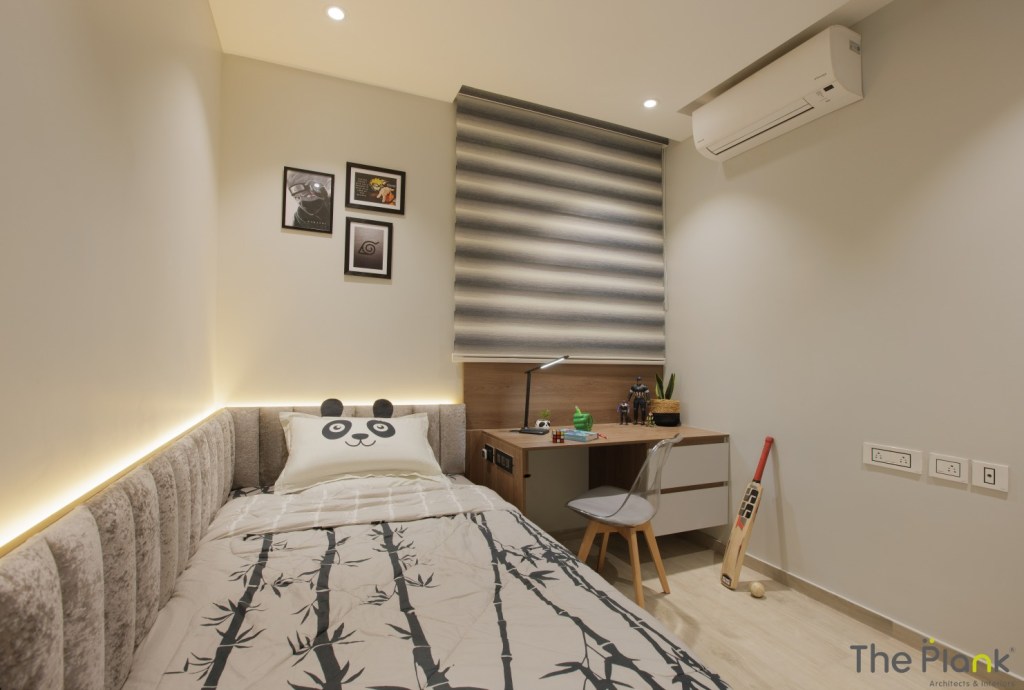
It was a series of movements that paved its way for modernism. Starting with the Bauhaus movement founded by Walter Gorpius in 1919 which embraced the idea of form follows functionality. It went after simplicity, functionality and the usage of industrial materials.
And it was at the end of the 20th century when there was also a heavy global influence which tilted the designs towards clean lines, the lack of ornamentation and clutter free spaces.
One must not forget that there was also the industrial revolution that heavily influenced the style of architecture along with World War II. The Industrial revolution meant that there was a new set of materials for the architects to explore and a typical characteristic of modern design was experimentation. Steel and concrete was used more often, which made it possible to taller structures and open floor plans. The new materials also changed the aesthetics of a city furthermore. With the advent of the industrial revolution also came the need to create office buildings that stood out from the neighbouring buildings.
However all of this faded by the late 60s when other movements took more force such as post-modernism brutalism and deconstructivism.
Conclusion
Modern architecture is a culmination of a series of ideas and thoughts that prevailed which typically disregarded the previous schools of thought. It was revolutionary in the sense that it ditched ornamentalism and embraced simplicity and functionality. This blog gives you a complete guide into what modern architecture is, its evolution, the specific features and the trends to look out for in 2024.
FAQs
- What is the difference between contemporary and modern architecture?
- The primary difference between contemporary and modern architecture is that modern design emphasises more on minimalism, clean lines and clutter free spaces, while contemporary architecture incorporates inner structures and moreover it refers to the trends in the current era.


 Blogs
Blogs 