
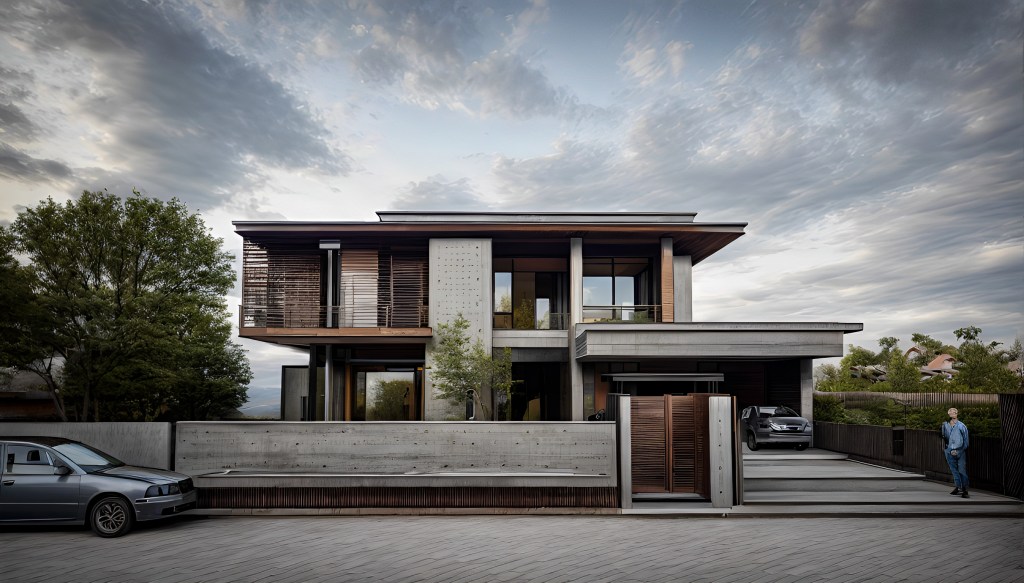
Introduction
From the beginning of human evolution until the contemporary era, one element of human life has always been present and consistent, but it has constantly evolved with time to suit the likings of groups and to better serve in terms of functionality.
The element that has morphed through time is architecture. Early architectural marvels and present skyscrapers are testaments to this claim.
Architecture weaves art, science, and technology together to bring forth structures that are not only functional but also aesthetically pleasing. Science becomes the pillar when innovation strikes; domes in Italy are a great example. Whereas aesthetics are the base when the new generation is accounted for. Functionality is the root of professional working spaces that aim for perfection to increase productivity.
Today, let’s delve into the realm of architecture from early times to modern times and explore the interior architecture of these beautiful structures.
Ancient Wonders
Some ancient structures that still stand today are nothing but works of art that remain indecipherable today even by the smartest of brains.
Built by the Egyptians, the Pyramids of Giza act as grand tombs for their greatest pharaohs, built over 4000 years ago. The pyramids are monumental structures that astound engineers and artists alike with their harmonious blend of art, astronomy, and mathematics.
The Great Wall of China, built for defense, now stands tall as an architectural wonder, stretching over 21,196 km. The architecture is a symbol of unification now, showcasing the architectural prowess of ancient China.
A rather less discussed wonder of ancient times is India’s very own architecture, which breathed in functionality and innovation. Indus Valley Civilization flourished around 3300–1300 BCE with well-laid drainage systems and multi-story buildings. The cities of Harappa and Mohenjo-Daro had great baths, the tanks conveying the intricate use of hydraulic engineering in early times.
Ancient Greek architecture like the Parthenon in Athens is a great example of structures that were built with great proportions and mesmerizing aesthetics.
Medieval Architectural Styles
The Middle Ages rewrote the architectural world with marvelous structures that made everyone hypnotized by beauty. Major styles of the period include pre-Romanesque, Romanesque, and Gothic, and the Renaissance marked the end of the Medieval architectural sprint.
The Chartres Cathedral in France has a Gothic architecture with intricate stained glasswork and staggering structural engineering. Many interior architects take their inspiration from the Gothic styles and designs.
The architectural design of Mont Saint-Michel in France exhibits heavenly aesthetic beauty and a careful blend of form and functionality.
The Renaissance is the golden period, with visionaries like Leonardo da Vinci and Filippo Brunelleschi introducing styles with great proportions, perspective, and geometry.
St. Peter’s Basilica in Vatican City, Florence Cathedral in Tuscany, Italy, and El Escorial in Madrid, Spain, are examples of the most splendid Renaissance architecture.
Modern Innovations in Architecture
The usage of new materials and concepts of functionality and minimalism shaped the architecture of modern times. Skyscrapers like Burj Khalifa and Shard in London tested and succeeded in the vertical architecture realm.
Furthermore, a wide range of styles, structures, and fusion designs are prevalent in modern times that are reflections of each individual’s unique and colorful personality.
Advanced technology like AI, IoT, and green technology is now integrated into structures and also in the building journey of marvelous structures.
Structures like Cook + Fox Architects’ One Bryant Park in New York City are prime examples of how green technologies are incorporated into buildings to make them more ecologically conscious and energy-efficient.
Balancing Aesthetics and Functionality
Both aesthetics and functionality have been the primary characteristics of both architectural marvels over time. Early marvels took into consideration the natural aspects of the demographic, weather, religious beliefs, and materials available to better help their lives. For example, Roman aqueducts utilized the natural slope of the land to transport water, while Mayan temples were aligned with astronomical phenomena.
Modern architecture, with the aid of modern technology, aims to incorporate versatile features into a single structure. Features like HVAC systems, elevators, and smart building technologies enhance the functionality and comfort of modern structures while incorporating new elements such as green roofs, passive heating and cooling systems, and renewable energy sources to minimize environmental impact.
Ancient marvels were in harmony with nature and reflected the aesthetics of intricate carvings, paintings, murals, and sculptures. In modern times, the concept of minimalist architecture and simplicity is loved and admired. Modern architects embrace religious and cultural significance and experiment with new styles that transcend imagination.
The Guggenheim Museum Bilbao, with its undulating titanium façade, reflects a part of the modern architectural style.
The Ram Mandir (lit. ‘Rama Temple’) in Ayodhya, Uttar Pradesh, India, is a new architectural marvel of the 21st century dedicated to the Hindu god Ram.
Architecture’s Impact on Society
Architecture reflects an individual’s aspirations, dreams, and identity. Architectural structures are not only physical structures but also symbols of emotions and love. The Taj Mahal, situated in India, is a marvel of architecture, serving as a symbol of love. Architecture has a profound impact on people and is the pivotal reason corporates and conglomerates curate their office spaces with innovative and artistic aesthetics to create a harmonious space that decreases stress, invokes creativity, promotes conversations, and ultimately increases productivity.
Future trends
Architecture evolves along with people, morphing into various forms that aid in functionality and differing aesthetics. Some future trends in the present generation include sustainable architecture, which places paramount importance on preserving nature to the highest possible extent. Buildings are designed sustainably to cause no harm to the environment and also help heal the natural environment.
Although minimalism is not a new concept, it is still highly adopted by millions and is only growing in popularity. Instead of the Industrial Revolution trends of concrete and steel, now natural materials are preferred for their aesthetic appeal and also for their purpose.
3D-printed buildings, multipurpose spaces, smart homes Biophilic designs are trends of the new era that are rising exponentially in popularity.
Conclusion
Through the evolution of time, architecture has also grown slowly by adopting various cultural beliefs, aesthetics, functionality, proportions, and geometry, creating various marvels that make people look at the bewitching colossal structures.
These magnificent architectural wonders are not only a testament to the skills of those who lived but also serve as symbols that invoke creativity and inspire newly blooming architects and other creative artists alike.
We, The Plank, are one of the most prominent interior design firms in Chennai, with a long history of designing beautiful spaces. We bring your vision to life with our creativity and experience.
If you are looking for architecture firms for your home architecture design or even office designs, we are the perfect one-stop destination for all your needs.
Elevate your place with us.


 Blogs
Blogs 