
Introduction:
India has a rich history of architecture with a diversity of cultural and Architectural designs varied from state to state from the rich places of Rajasthan to the intricate wooden design structure of Kerala.
Every design has a unique history that is customized based on the climate and culture of the particular region. In the modern era with advanced technologies and techniques construction of buildings has become more of a choice for customers to choose the culture and designs of the house to be built on.
Architecture advanced with modernity paves ways to improve the designs of home buildings without ignoring the cultural norms. In this blog, the design strategies for Indian homes are explained in a detailed manner. Kindly find time to explore this blog to find the right strategies for building your house in India.
Understanding the layout:
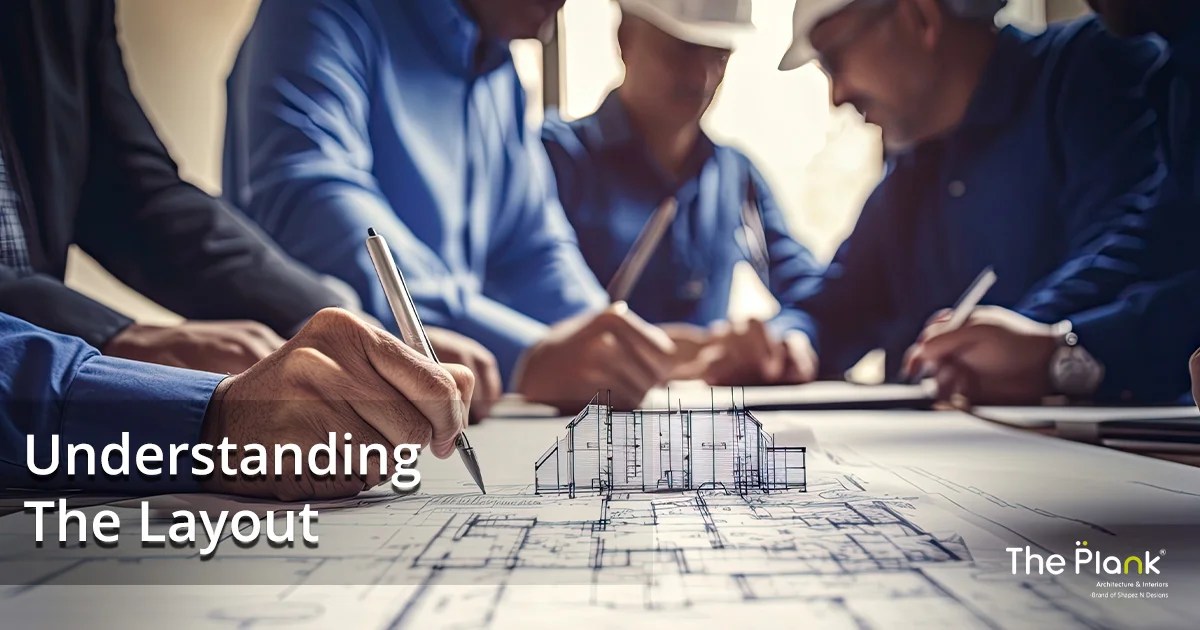
The layout of Indian architecture is understood in various elements of key features and principles such as:
Orientation and Alignment – Traditional Indian architecture pays great attention to orientation, aligning buildings with cardinal directions for religious, cultural, and climate reasons.
Vastu Shastra – Vastu Shastra is the traditional Indian system of architecture, which includes principles of layout, design, measurement, ground preparations, spatial geometry, and spatial arrangements.
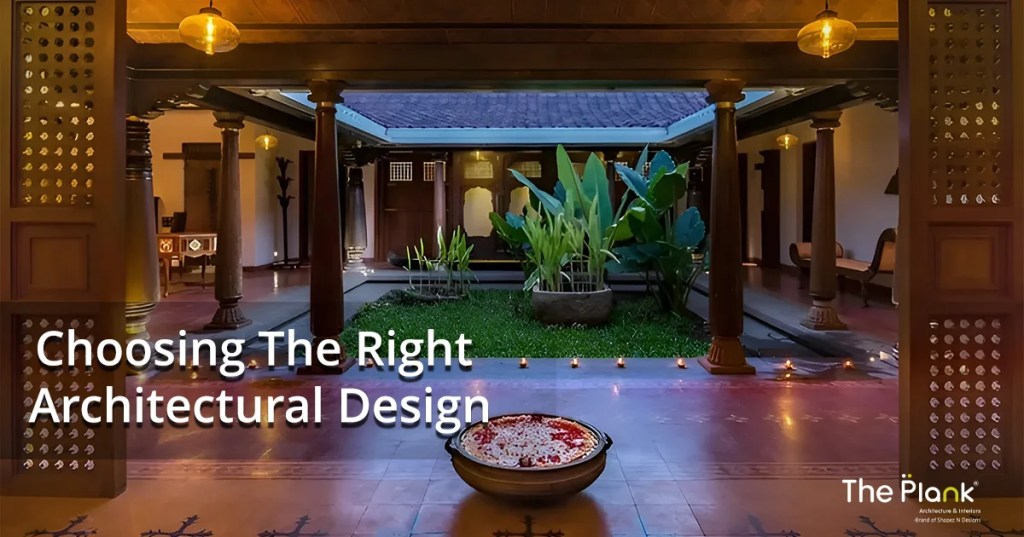
Courtyards and Open Spaces – Many traditional Indian buildings, such as houses places, and temples, feature central courtyards and open spaces.
Hierarchical Arrangement – Indian architecture often incorporates a hierarchical arrangement of spaces with important areas reserved for religious or royal functions located at the center, while ancillary spaces surround them.
Use of Materials -Indian architecture uses a range of materials, such as stone, brick, wood, mud, bamboo, and thatch, depending on the area and resources available. Every material has a unique aesthetic and practical value.
Decorative Elements – Indian architectural design is widely recognized for its elaborate ornamental features, such as paintings, sculptures, carvings, and ornamental decorations.
Regional Diversity – There is considerable regional variation in Indian architecture, with various styles and methods used in various regions of the nation, such as:
1 The Dravidian style of South India
2 The vernacular architecture of rural areas
3 The architecture of North India, was influenced by the Mughals and Rajputs.
These elements are the major factors and principles used for understanding the layout with the consideration of connection to a deep-rooted tradition, culture, spirituality, and natural environment with a focus on creating a functional, aesthetically pleasing, and culturally resonant built environment.
Considering Climate and Environmental Factors:
Indian Architecture encompasses a rich and diverse heritage, reflecting the country’s long history, diverse cultures, and varied climates. The climate and environmental factors that affect architectural design are:
Passive Cooling Techniques – Historically, builders in arid and hot places like Rajasthan have used passive cooling strategies including wind towers, courtyards, and thick walls (sometimes called “baolis” or “stepwells”) to control inside temperatures and relieve the heat.
Natural Ventilation – In tropical places like coastal areas and the southern half of India, ventilation is essential. Openable windows, latticed screens (jalis), and well-placed apertures are common features of traditional Indian architecture.
Water Management – Traditional Indian architecture has measures for water harvesting, storage, and drainage due to the significance of water in Indian culture and the frequency of monsoon rains.
Shading and Solar Protection – Buildings are shaded from direct sunlight by overhanging eaves, verandas, and shading structures like pergolas and chakras, which lower solar heat gain and glare.
Material Selection – Native materials are selected for their availability, durability, and thermal qualities. Examples of these materials are stone, brick, mud, and bamboo.
By considering these factors, Indian architecture not only promotes occupant comfort and well-being but also promotes sustainability, resilience, and cultural continuity in the face of evolving environmental Challenges.
Budget Constraints:
Budgetary restrictions are a major factor in Indian architecture, particularly in light of the country’s socioeconomic variety and the wide range of funding sources available for building initiatives. The following are some ways that financial limitations affect Indian architecture Material selection, simplified designs, Optimization of space, Modular construction, Local labor and skilled craftsmanship, value engineering, phased construction, and innovative financial models.
Indian architects continue to innovate and develop despite financial limitations, coming up with inventive ways to create constructed environments that are practical, visually beautiful, and culturally appropriate while also satisfying the demands of the nation’s different people.
Space utilization for future Needs:
In Indian architecture, making the most of available space for future demands is essential, particularly given the country’s growing urbanization, population increase, and changing lifestyle choices. To meet future needs, Indian architecture uses the following strategies: Flexible and adaptive designs, Mixed-use developments, vertical expansion, smart and sustainable designs, Inclusive designs, community spaces with shared facilities, Technology integration, Resilience, and Disaster preparedness. Indian architecture uses these techniques to design built environments that are resilient, sustainable, and adaptable so they may successfully address the changing requirements of communities both now and in the future.
Sustainability and eco-friendly practices:
A growing focus of modern Indian architecture is on sustainability and eco-friendly methods due to worries about resource depletion, climate change, and environmental deterioration. The following are some important methods and techniques used in Indian architecture that are sustainable:
Passive Design Strategies – To reduce energy use and improve thermal comfort without significantly relying on mechanical heating or cooling systems, architects give priority to passive design solutions.
Energy Efficiency – Energy-efficient systems and technologies are used in India’s sustainable buildings to cut down on energy consumption and carbon emissions.
Water Conversations – Because water is scarce in many areas of India, architects employ water-saving techniques to lower water usage and encourage resource efficiency.
Waste Management and Recycling – Waste management and recycling techniques are included in sustainable Indian architecture to reduce construction waste and advance the ideas of the circular economy.
Indian architecture embraces sustainability and environmentally friendly methods to build constructed environments that are socially inclusive, resilient, and healthier than ever before, improving the quality of life for both current and future generations.
Conclusion:
For Indian homes to be both functional and visually beautiful as well as responsive to the nation’s many cultural, climatic, and socioeconomic circumstances, it is imperative to choose the right architectural design solutions. Homeowners may create sustainable, resilient, and peaceful living environments by taking into account aspects including local climate, cultural history, lifestyle preferences, and financial restrictions.


 Blogs
Blogs 