
Every architect can design. Sure.
But what separates good architects from great architects?
Architecture is creativity, imagination, and innovation as much as it is engineering and science. A good architectural space must be aesthetically beautiful, inviting, long-lasting, and functional.
However, with the advancement of technology and the comprehension of contemporary times, the current needs of people have evolved. It’s not just about good architecture, but about spaces that are sustainable, modern, socially responsible, and automated.
If you are a blooming architect or a professional trying to get an edge over the current trends, you are in the right place.
Follow along to learn the Top 6 Architectural Strategies for Success.
Strategy 1: Understanding the client’s expectations
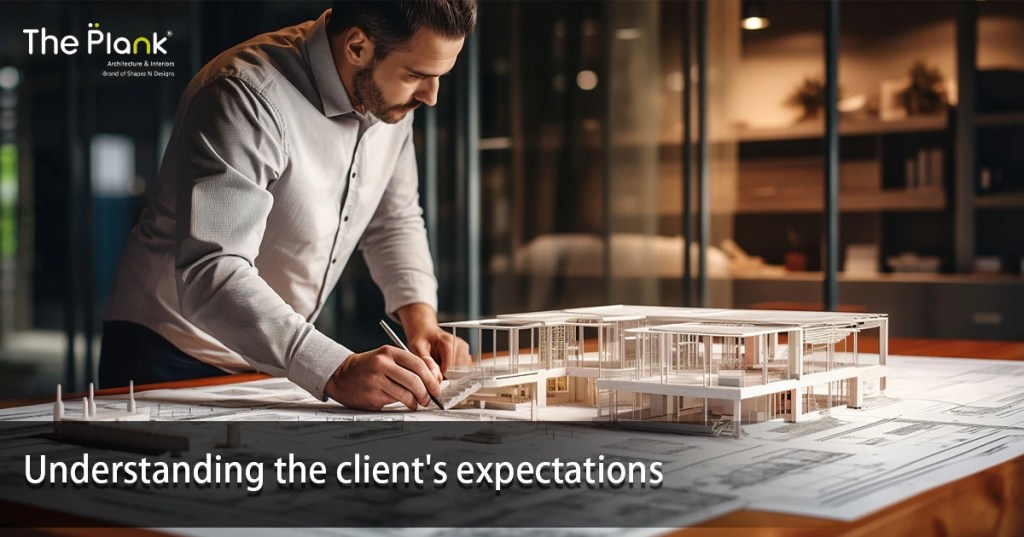
The first strategy to success is understanding the client’s expectations.
Most architects get carried away by their desire to stay on top and garner attention. Instead, the architect must be able to reflect the tastes of his clients with exact precision. He must not be selfish and design the space according to his expectations and expressions.
Understanding the client’s problems, needs, and emotions is the first and foremost step to designing extraordinary architecture.
It would be a good idea to ask for clients’s feedback at regular intervals to know their thoughts on the design.
Simply put, to attain success as an architect, it is pivotal to put yourself in the client’s shoes, feel what they feel, and see their visions to build an alluring home or space.
Strategy 2: Sustainable Design
Climate change is not a future worry anymore. It’s right now. It’s the present.
Buildings consume over 40% of world energy and are responsible for producing 30% of the world’s carbon emissions.
Sustainable architecture strives to minimize the negative impact of building by employing energy-efficient measures, including raw materials and technology, construction methods, and design.
It is not a trend, but a necessity for architects to adopt sustainable design practices that are environmentally and socially responsible. Sustainable designs are cost-effective in the long run and create a positive impact on the lives of their residents.
Strategy 3: Incorporating Technology and Innovation
This is the age of the digital era, with the most advanced technologies like AI, VR, and 3D printing.
Incorporating technology and innovation into the planning process of the designs reduces the workload on the architect and paves the way for innovation. It’s no longer pen and paper. With VR, a client can visualize their space even before the start of the build. This helps them visualize and change any potential designs.
With generative technology and additive design, it is easier than ever to show different variations of designs to clients and provide a spectrum of options to choose from.
When the client side is considered, technologies like IoT can be implemented in the house to provide a ceaseless operation.
Strategy 4: Collaboration and Teamwork

It is significant for architects to foster a collaborative environment that thrives on teamwork. Designs must be shared, reviewed, and nurtured by the creativity of all stakeholders.
This improves the beauty of any project and paves the way for a spectrum of creative ideas to co-exist in harmony. From the planning stage to the organization stage and to the finished state, clear communication must exist between team members to ensure efficiency.
Apart from a healthy relationship with the project team members, there must be a healthy collaboration between architects and builders, carpenters, and other involved professionals. This not only ensures a smooth journey but also provides ground for solving architectural problems, incorporating innovation, and refining the beauty of the space.
Strategy 5: Balancing Aesthetics and Functionality
Aesthetics and functionality go hand in hand when it comes to architectural design. One without the other is bound to cause discomfort, frustration, and inefficiency in the client’s life.
Aesthetics are built on emotions and reflect a part of a person’s soul. Apart from looking beautiful, aesthetics must feel like home. An aesthetically pleasing space holds the power to evoke creativity, spread joy, and offer solace.
It can be achieved through playing with different colors, textures, materials, furniture, and every little part of the home.
A well-designed home must incorporate functionality, or else it loses its intended purpose. Therefore, it’s important for artists to analyze a space and make it functional so that it can adapt to changes and ensure efficiency.
Strategy 6: Adapting to Changing Trends and Needs
Architecture is an ever-evolving art that started with simple huts and now stands tall as skyscrapers. Each era has seen different architectural styles come and go. Some created monuments, while others stayed hidden and protected.
This supports the strategy of adopting current trends like modern minimalism, Scandinavian designs, and bold hues.
The current trends will grow in popularity one day and become a solid mark in history. Biophilic urbanism, floating buildings, and adaptive reuse architecture are some of the current trends in the architectural realm.
Conclusion
To succeed as an architect, it is not quite enough to follow the norms in books. New ages and new years call for a different approach and strategy. With collaboration, improved customer experience, and adopting sustainable designs, an architect can have an edge over the competition. It is also important to take into consideration the aesthetics, functionality, and comfort of modern technology.
If you are looking for the best architects in Chennai who take visions and turn them into stunning realities, contact The Plank.


 Blogs
Blogs 