
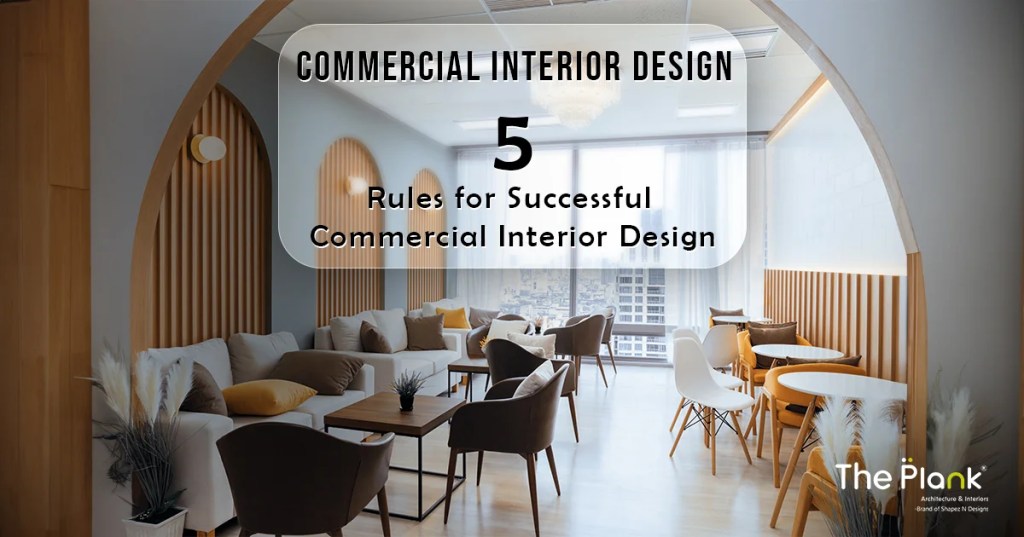
What are the two main elements you consider before going to a cafe?
Let’s take a guess.
Food review and the ambiance or aesthetic.
This internal aesthetic and functionality are strategically designed by commercial interior designers to impart a positive experience.
A well-designed commercial place holds the potential to attract customers, make them feel in awe and comfortable, and leave a lasting impression. Whereas, commercial places with basic, cramped, and non-functional interior designs tend to leave customers irritated and unsatisfied with the whole shopping experience.
So, it has rather become a necessity to design commercial places with intent, creativity, and thoughtfulness.
Today, let’s look in detail at commercial interior designs.
What is commercial interior design?
Commercial interior design is the interior design of multiple commercial places like retail stores, offices, lobbies, restaurants, cafes, etc. It is not a single concept with singular ideas but instead a collection subject for the various designs of commercial places.
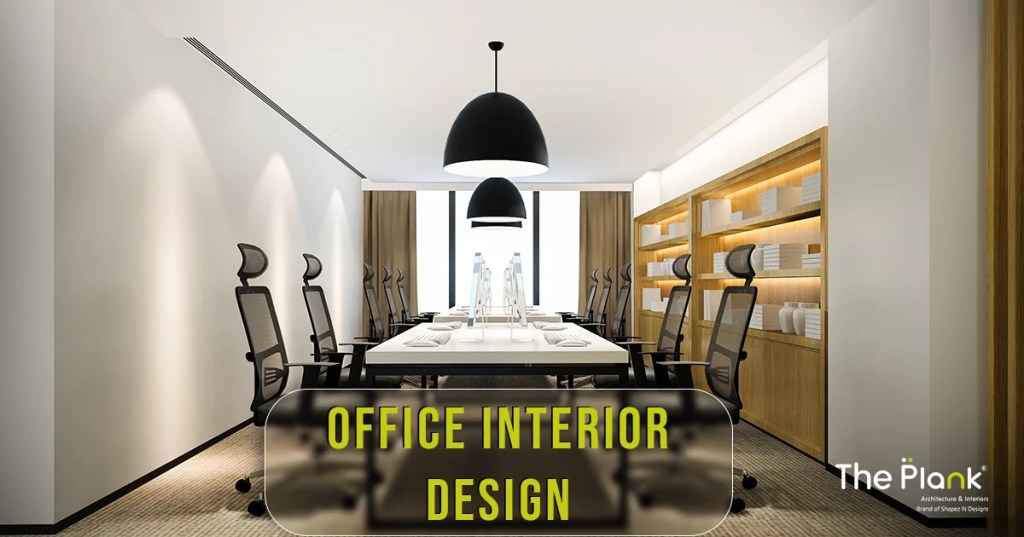
A good commercial interior design is the result of creativity, space management, functionality, precise execution, and good planning. It aims to bring out aesthetic spaces through the seamless integration of other design elements.
The design can blend various styles; it can be retro, contemporary, or even minimalist to bring out places that can attract people and engage them. Thus, it adds value to the business and has a direct impact on revenue and success.
Why use commercial interior design?
The pivotal purpose of a commercial interior design is to elevate and display the interior design. You can consider a posh restaurant in a crowded area. The interior defines the restaurant, its vibe, and its energy.
Hence, it is important to incorporate nice and well-thought-out interior design elements. This makes the customer feel the place has value; it’s real and worth spending on.
Also, commercial spaces are made to sell their businesses, and it is important to design the place with relevance and purpose. A supermarket space must be more functional and accessible than aesthetically pleasing. Whereas, a car showroom must elicit luxurious and trustworthy aesthetics.
A tech office space may want to have its space designed in a way that expresses its business, like with more innovative technology. A beach restaurant may want to showcase its casual and natural relationship with the sea through a simple and earthy design.
Hence, it is quite essential to design commercial interiors that are unique to each business.
5 Rules for Successful Commercial Interior Design:
We have listed five rules you can explore and implement to have a stunning interior.
1. Maintaining versatile structures
A solid and constant interior design creates a sense of familiarity and, over time, a sense of boredom in the minds of the customers. So, it is essential to design places in a way that can evolve with the current trends. Alterable elements and proper spatial planning allow for an easy change in the design environment, including furniture, equipment, etc. This can be applied in any commercial place, like airports, offices, and real estate spaces.
2. Consider Functionality and Flow
A well-designed interior space must allow ease of movement for the customers, which plays a critical role in environments like retail stores. Emergency exits and accessible pathways for people with disabilities are flow elements that mustn’t be overlooked. When it comes to functionality, spaces must be defined with purpose in mind. Alongside the health of employees, ergonomic furniture, appropriate lighting, and the incorporation of technology influence the success of a business.
3. Incorporate the latest design trends.
Incorporating modern interior design trends holds profound significance for improving brand perception, giving an edge over the competition, and finally, enhancing operational efficiency. The latest design can leave a long-lasting first impression with contemporary elements and smart layouts. Since the latest designs focus on sustainability, comfort, and efficiency, they improve the customer and employee experience with the brand.
4. Keep Aesthetics with Practicality
Aesthetics play an influencing role in brand perception, customer attraction, user experience, and behaviors. The visual appeal of space is not merely superficial but deeply intertwined with the functionality and success of a business environment. Aesthetics also affect the mood and emotions of the customer, which hold potential in their decision-making. Furthermore, when it comes to office interior design, thoughtful design can improve employee productivity and satisfaction, reduce turnover, and attract talent.
5. Ensuring Safety
Safety must be tightly fused with commercial design, as the spaces are visited by hundreds and thousands of people every day. All safety regulations implemented by the local government must be met, and extra precautions must be taken. Evacuation routes, fire detection systems, ventilation and lighting, and risk assessment must all be undertaken.
Conclusion
Commercial interior design is a vital element that shapes the functionality, aesthetics, and overall success of business environments. From creating a brand identity to ensuring safety, interior design holds power, influences customer experiences and employee productivity, and fosters an efficient and adaptable operational environment.
If you are looking for commercial interior designers in Chennai, The Plank are pioneer in the interior design field, making dreams a reality with expertise and experience.


 Blogs
Blogs 