
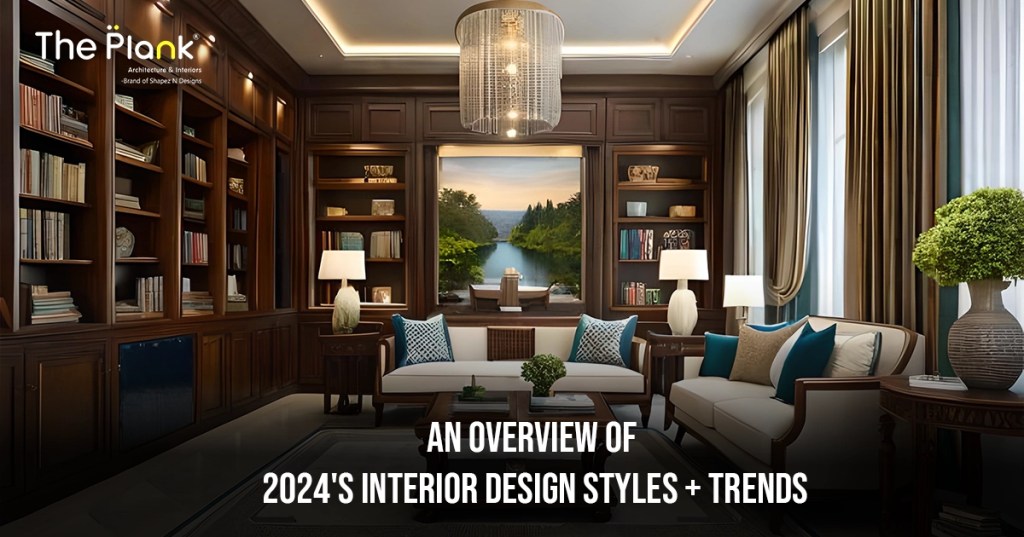
Do you want to explore the realm of architectural interior designs and styles?
Well, you could. But it may be overwhelming for a beginner considering the long history. From Renaissance style to Brutalism, there is a myriad and a spectrum of architectural styles.
So, it is always wise to start with the most prominent and popular style and slowly traverse other designs.
Combining the right elements—color tone, texture, furniture, light fixtures, space, form, line, and other details—coherently and harmoniously is the key to a well-laid interior design.
So, in this blog, we are exploring the most prevalent and famous interior designs.
Also, we have covered the best interiors in Chennai, which are the best in the interior design world.
Modern
Modern interior design is by far the most used interior design in homes, with lots of white tones, beige, and occasional pops of color to add character. It feels more like home with a cozy atmosphere, with bright and minimal designs going on.
The origin of modern design dates back to the 1950s in the United States of America, with inspiration from a minimalist lifestyle. It is also notable that modern design evolved alongside Mid-Century Modern, but the elements of Art Deco separate the two.
Modern interior design focuses on clean lines, space, and colors, and it has to be cohesively designed with the exterior design. It is sleek and uncluttered and uses a free-use approach.
Glass, steel, abstract forms, neutral walls, and pops of color are a few more classifying elements of modern interior design.
Contemporary
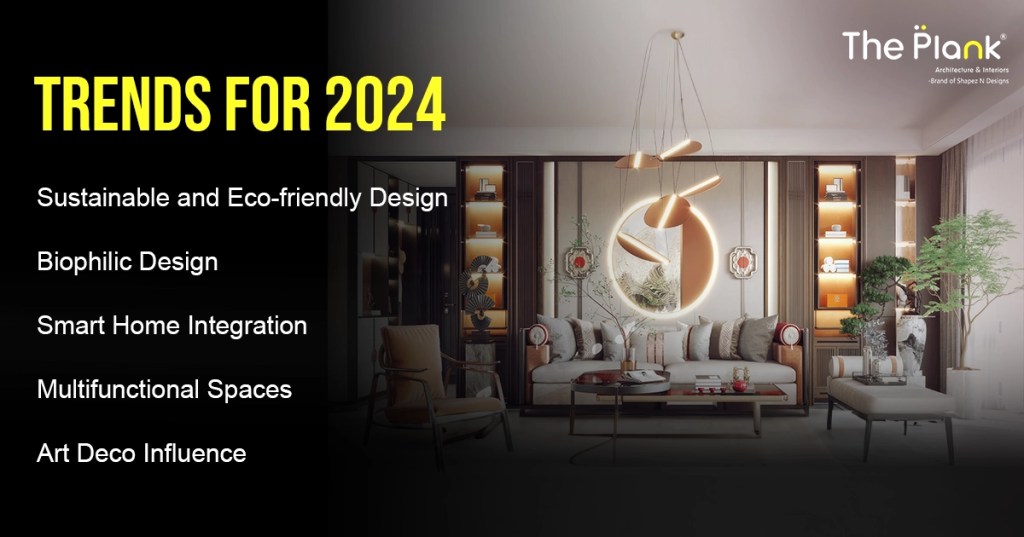
Contemporary interior design refers to the style and design that are used and are currently relevant. Contemporary designs are a blend of various new trends like Scandinavian, minimalist, coastal, glam, electrical, and industrial design.
The origins of contemporary design date to the late 20th century, with the transition from modern lines to softer edges and sculptural touches. The main reason for the transition from modern to contemporary design is the advancement of technology and environmentalism.
Contemporary designs encompass the elements of Art Deco, futurism, and deconstructivism. Colors, metal accents, texture, wood tone, and lighting are the main deciding factors in contemporary designs. The lights are used as attractive elements alongside the functional perspective. The tones are mostly earthy and neutral, with grey, black, and cloudy whites and some pops of colors like earthy green.
Incorporating contemporary art is also a fine representation of contemporary design with its life in furniture, tables, art, and statues, which create an aesthetically pleasing space.
Traditional
Traditional interior designs are classic, timeless, and elegant, having prevailed for centuries now. With inspiration from European elements and carved wood, traditional interiors are very desired by a large crowd of people of all ages.
The origins of traditional interiors date back to the 18th century in England and have an influence from colonial designs. The design has a polished and curated look to it and has the power to adapt to the current age without being dated back.
There’s a clear emphasis on symmetry and order. Also, decor elements like chandeliers and bookshelves are part of the overall design. The color schemes are mostly neutral, with pops of bold colors, usually in jewel tones.
Layered windows with draperies and frills and patterns such as plaids, florals, and damasks are also defining elements of traditional interior design.
Transitional
The transitional style is a stark combination of modern and traditional designs, which gives out a timeless, harmonious, digitally intact home. A simple example would be neutral walls that elicit modernity with geometric shapes. For the traditional elements, furniture is a great choice with curves and patterns.
The origins of transitional interiors date back to 1950s Germany and Scandinavia, around the same time as the birth of modern and mid-century interiors. The style revolves around the idea of relaxation and a cozy, home-like atmosphere.
The color palettes are neutral and evoke a clean and serene atmosphere. Taupes, tans, and vanilla with pops of brown are a classical transitional style. Minimal accessories, balance, textured drapes, and other elements define the interior design.
Minimalist
Uncluttered, simple, and bright are three words that quickly describe minimalist design. Minimalist interiors usually adopt open interiors, which make the space more airy and large and allow a lot of natural light.
The origins of minimalist interior design date back to the 1950s in Germany and the United States. It is also said that minimalism evolved as a successor to Bauhaus design.
Clean lines, neutral colors, simple finishes, and lines are the defining elements of minimalist design. The interior style aims to achieve a soothing aesthetic with a harmonious blend of functionality and simple beauty.
Hidden storage and furniture with hidden spaces are excellent choices for minimalist interior design.
Conclusion
Exploring and relishing different styles is an exciting journey and an essential part of discovering your taste and aesthetic. Furthermore, a well-designed interior has personal touches and an expression of your personality.
The process involves a combination of creativity, practicality, and an understanding of the inhabitants’ needs and lifestyles. So, it’s a wise idea to hire a professional who is on a similar page to your vision and dreams.
So, contact one of the best home interiors in Chennai, Tha Plank, who has years of experience, expertise, and creativity.
We take pride in creating traditional interiors in Chennai with a blend of tradition, style, and functionality.
Check out our website to learn more.


 Blogs
Blogs 