
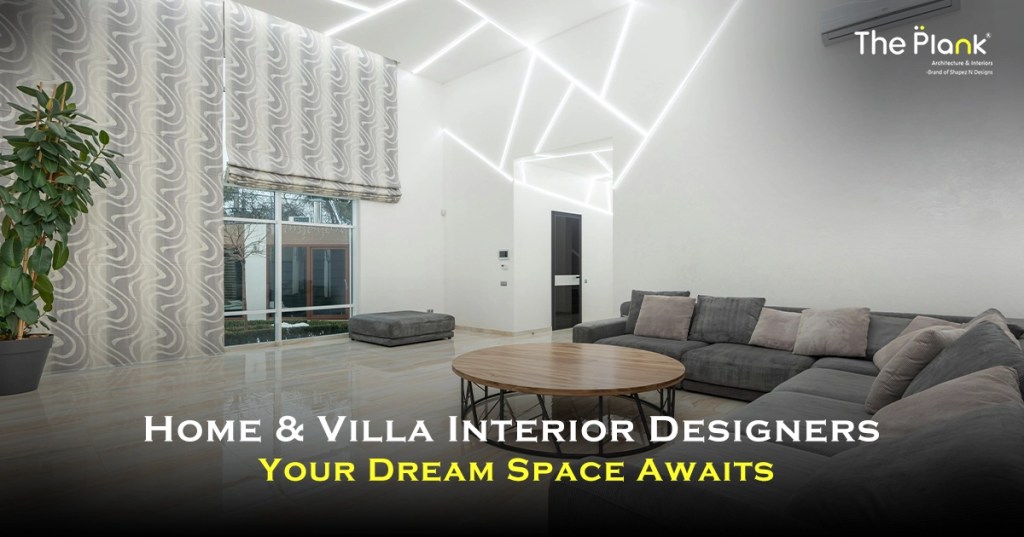
Everyone has dreamt of their dream home, a space filled with beauty, peace, and harmony. Moreover, it is not just a space or home; it’s a story weaved with memories of the past and the exciting possibilities of the future.
To build a home, it is a pleasant and wise option to take the help and expertise of interior designers who have learned the architecture of history and have the creativity to build new spaces.
There are endless possibilities and millions more ways to build a space and decorate it to reflect you as a person. The key to a beautiful home is not just aesthetics but also functionality and the harmony of various elements flowing together.
In this blog, let’s explore the role of interior designers in designing home and villa interiors.
The Role of Home and Villa Interior Designers
While one may feel the obscurity of hiring an interior designer, the below reasons will make you want one, not for the sole sake of aesthetics but for proper planning of space, functionality, ventilation, natural elements, and most importantly, a transparent showcase of your dreams.
- Understanding client needs
Interior designers not only draw, add colors, and decorate but are also observant listeners who take in your requirements and views of your dream home. While you may have a singular idea and the blueprint of your vision, interior designers can show you a diverse range of designs based on your taste.
He ensures the concept is translated perfectly into reality while considering all the elements to their smallest details. Curtains, carpet, texture of furniture, light fixtures, etc. Furthermore, a rapport is built between the designer and the customer during the discussion, which will aid in the whole design journey.
Understanding financial constraints and creating designs that fit your lifestyle and wishes is at the core of an interior designer’s work.
- Concept Development
Concept development is the foundation of interior design, either in building a new space or remodeling. The ideas you share with the designer are carefully laid out, built with other elements, and brought into reality.
Every design scheme, color, and line has the power to invoke an emotion. Depending on how you want to feel at home, the designer creates this roadmap consisting of design, aesthetics, colors, and materials.
For example, if you want to feel cozy and Zen, earthy tones with curves instead of straight lines with warm lights are an ideal choice. If you want to feel eccentric in your space, a play of bold colors, experimentation with artwork, and colorful lighting would be an ideal choice.
This element of development is captured by the designer and put into paper while still keeping in mind functionality and space.
- Space Planning
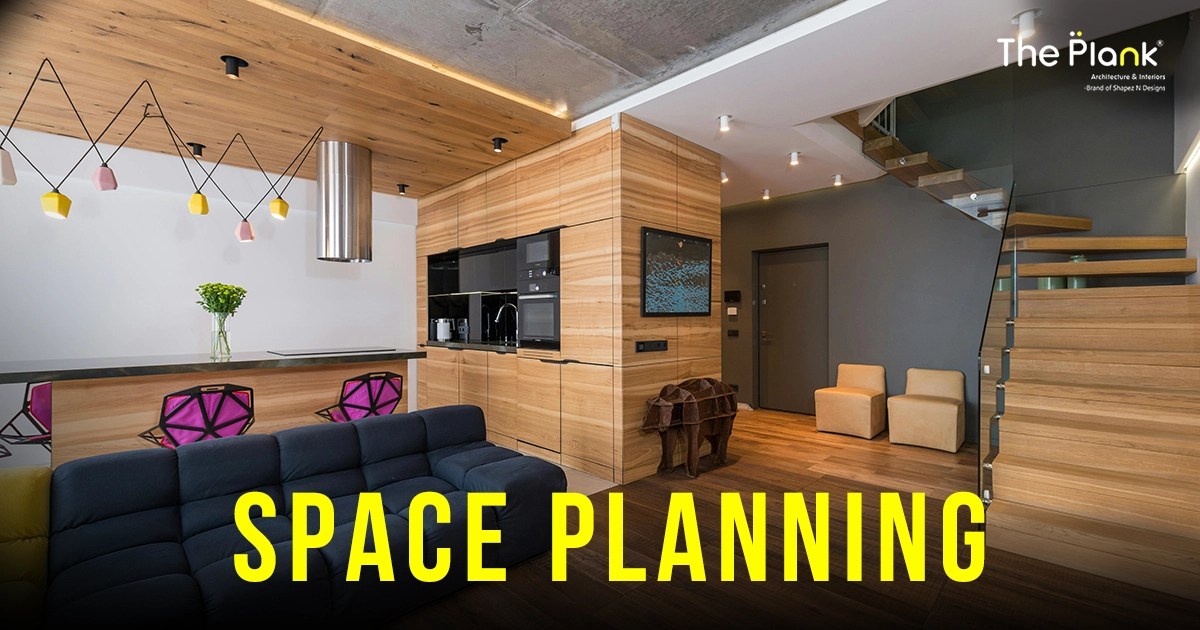
Space planning is pivotal for any interior design to have a space that allows free movement and ample storage, dedicated to different aspects of life. A space, let’s say an open-concept living room, kitchen, and dining room, can feel stuffy and cluttered when not designed properly.
So, depending on the dimensions of the space, primary purpose, and secondary purpose, the designer draws a clear distinction on the usage of the space. Reconfiguring existing spaces and giving them a new life is possible through space planning.
Apart from the aesthetic part, space planning is significant for figuring out building restrictions, proportions, windows, focal points, and height, which are all interconnected with each other.
Hence, well-defined space planning sets the foundation for excellent interior design, giving skeletal shape for what’s to come in the future stages.
- Sourcing and procurement
Once the designs are approved, the next step in the design process is the actual hardware work, i.e., the sourcing and procurement of materials to initiate the design process. The items to source include furniture, accessories, flooring, fixtures, curtains, appliances, and all other concerned elements.
A clear and thorough understanding of sourcing and procurement is important to save time, ensure client satisfaction, and also ensure the longevity of the items and the home in general.
Procuring elements under budget, connecting materials according to ideal lead time, placing and ordering, logistics, and all other critical processes involved in sourcing. Furthermore, it is also important to source quality materials from reliable vendors.
- Project Management
As the final element, project management is an essential aspect of interior design, as it ensures the harmonious flow of the entire project. The designer makes sure that communication is lucid, financial statements are met, and the duration is well matched.
Effective communication and project management ensure the quality of interior design by streamlining the whole journey, including design, implementation, and feedback. Since multiple stakeholders are involved in the process, a clear assignment of tasks, managing potential issues and subcontractors, monitoring progress, and documenting necessities are pivotal.
Conclusion
Interior designs are a reflection of the people who live in them and are not only significant for elevating the aesthetics but also for ensuring ideal functionality and personalization in the home. Through proper planning, management, and incorporation of innovative ideas, designers unleash their creativity and expertise to create beautiful spaces.
The Plank, one of the best interior designers in Chennai, has the experience and expertise to make dreams come true. We take pride in creating spaces that reflect our clients aesthetics, lifestyles, and tastes.
If you are looking for interior designers in Chennai, check out our website for more information.


 Blogs
Blogs 