
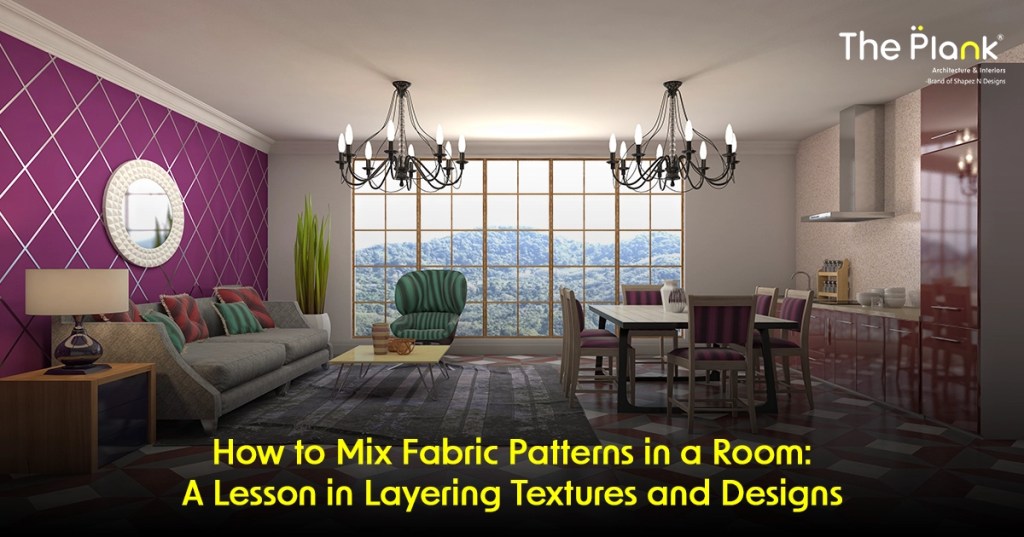
Are you tired of bland and boring home interiors? Mixing patterns with the right shape, color, shade, and size can bring life, character, and a personal touch to any room. Either you want big and vibrant motifs or a more subtle and elegant style, there’s a mix-and-match fabric pattern for you.
By adding different prints, colors, and textures, you can create a visually stunning and personalized space that reflects your unique style.
Yet, it’s easy to feel overwhelmed by the endless possibilities. If you’re wondering where to begin, this guide is perfect for you.
By following these simple steps, you’ll learn how to create stylish and the best room interiors without making them look chaotic!
1. Start with a Base: Choose a Dominant Pattern
The first step is to choose dominant patterns that act as the foundation for the rest of your design. This can be
- Bold floral
- Geometric shape
- Nature-inspired motif
- Stripe
The dominant pattern should set the tone for the room. When selecting a dominant pattern, consider the style and theme you want to achieve. Whatever your preference, look for patterns that catch your eye and align with your style.
Consider large-scale designs for this dominant pattern, as they stand out more in a space. It can be a subtle geometric print or a classic stripe.
2. Build Around the Base: Select Coordinating Patterns
Choosing coordinating patterns doesn’t mean everything should match perfectly. In fact, mixing patterns to create visual interest and balance in the room works best when there’s a variety.
Select patterns that share similar colors or styles. For example, if your base pattern is floral, consider pairing it with a striped or polka-dot pattern for contrast.
To add an extra layer of excitement to your design, don’t be afraid to incorporate contrasting patterns as well. These can create a bold and unexpected twist that will make your space truly unique.
3. Stick to a Color Palette
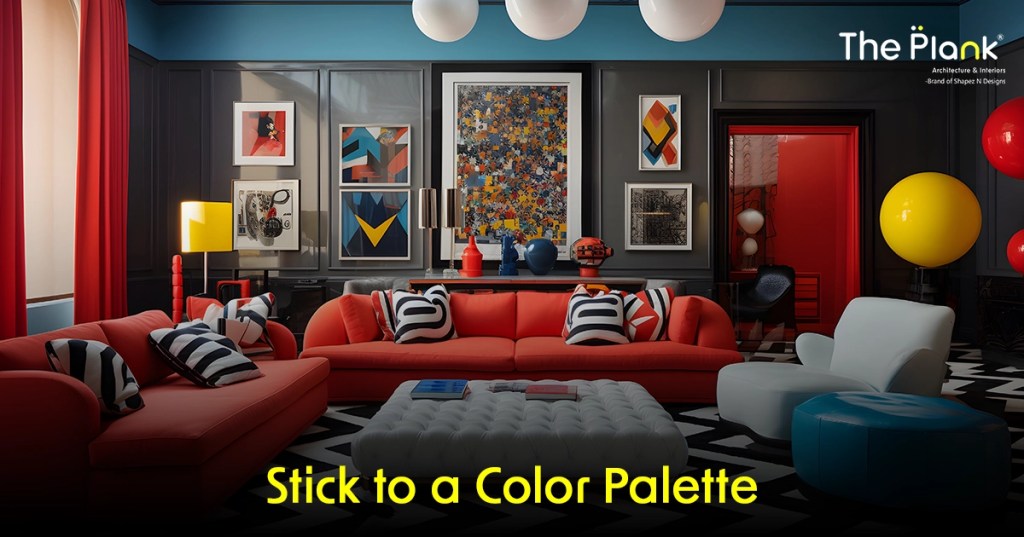
Color is your best friend when it comes to mixing patterns to create a visually stunning space. The key to making patterns work together is sticking to a consistent color palette throughout the room.
Follow the 60-30-10 rule.
- 60% dominant
- 30% secondary
- 10% accent color
For example, 60% soft beige walls, 30% navy blue furniture, and 10% vibrant mustard accents.
Neutral colors like white, grey, and beige provide a timeless backdrop, allowing your fabric patterns to shine. Make sure all your patterns include one or more of these chosen colors.
4. Balance with Solid Fabrics
Solid fabrics are a great way to add balance and visual relief to your space. They act as a neutralizer, allowing patterns to shine while providing visual relief.
Solid-colored cushions, furniture pieces, throws, or curtains give the eye a break from the busy patterns. Experiment with textures like
- Velvet
- Linen
- Leather
This adds dimension to your design. Stick to neutral or muted shades to keep the room from looking cluttered. This creates visual balance and allows your mix-and-match fabric patterns to shine in your design masterpiece.
5. Play with Textures
Textures can add a new dimension to your room. Fabric textures include both visual and tactile, significantly influencing a textile design. Visual textures, such as rough denim or burlap, create an informal feel, while smooth textures, like silk charmeuse, exude luxury.
Light interaction with a fabric is also influenced by textures. The tactile texture, like soft, pliable textures, invites touch, while stiff, coarse textures discourage interaction.
Pair soft textures with rigid ones, and combine smooth surfaces with softer materials for a unique look.
6. Mix Different Styles
Choose a dominant pattern that will serve as the anchor for your design. This could be a bold floral, a chic geometric, or even a playful polka dot.
Then select one or two secondary patterns that complement it well. Remember, balance is key when mixing patterns. Aim for a mix of large and small-scale patterns, as well as a variety of colors.
Combine traditional and modern designs that can result in a visually exciting and dynamic space. Keep your aesthetic in mind to ensure the room doesn’t feel disjointed.
7. Use Odd Numbers
Chennai Interiors swears by the “rule of 3” when mixing patterns. Including odd numbers will give your space a sense of balance and visual appeal.
When choosing secondary patterns to complement your dominant pattern, try to stick to three or five patterns rather than an even number. You can create a triangle or diagonal pattern with your fabric choices.
For example, you can have 3 accent pillows with different patterns on your sofa or 3 different patterned curtains in your living room. Using an odd number of patterns—like 3 or 5—creates balance. Use 3 different patterns that vary in scale, design, or texture.
8. Create Flow With Repetition
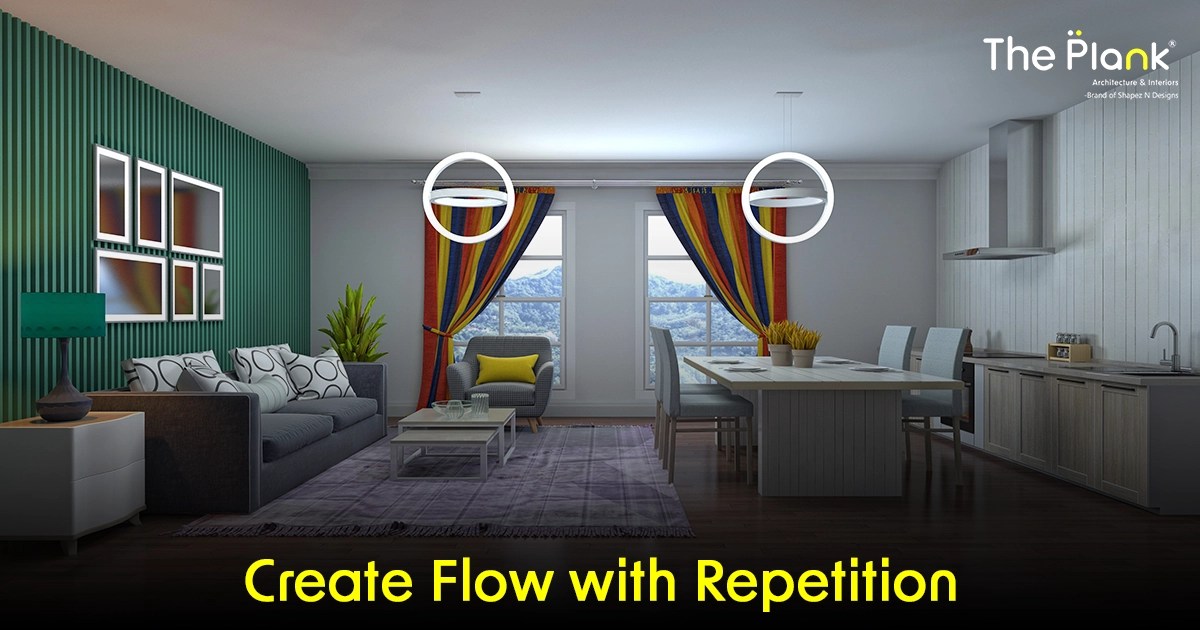
Choose three or four patterns from your collection and incorporate them in multiple places throughout your space. Mixing patterns can energize a room.
For example, if you have a floral pattern on your accent pillows, add the same pattern to your drapes or even upholster a chair with it. This attention to detail will increase the overall aesthetic of your space.
Repetition is essential for creating a sense of flow in your room. Repeating a pattern or color in different areas of the room can tie everything together.
9. Consider the Room’s Function
In a bedroom, consider using neutrals and softer, calming patterns like pastel florals, velvet, or linen. For high-energy areas like the living room, bold and dynamic patterns of leather can add life and energy to the space.
For dark rooms, opt for lighter fabrics like cotton, linen, or sheer. Organic, recycled, or responsibly sourced textiles are recommended for a healthy lifestyle.
When designing the best room interiors, think about how you’ll use each room to ensure the patterns complement the space’s purpose.
Conclusion
In conclusion, mixing patterns in interior design doesn’t have to be intimidating. By following these easy steps—starting with a base pattern, coordinating complementary designs, sticking to a color palette, and playing with textures—you can create rooms that are both exciting and harmonious.
Remember, don’t limit yourself to just fabrics. Be adventurous and also explore other elements like wallpaper, rugs, and artwork. So, let your imagination run wild and get started on creating a space that you can truly call your own.
Connect The Plank today, one of the best home interiors. We are here to transform your blank space into a design masterpiece that reflects your unique style and personality.


 Blogs
Blogs 